 CONSCIOUSNESS
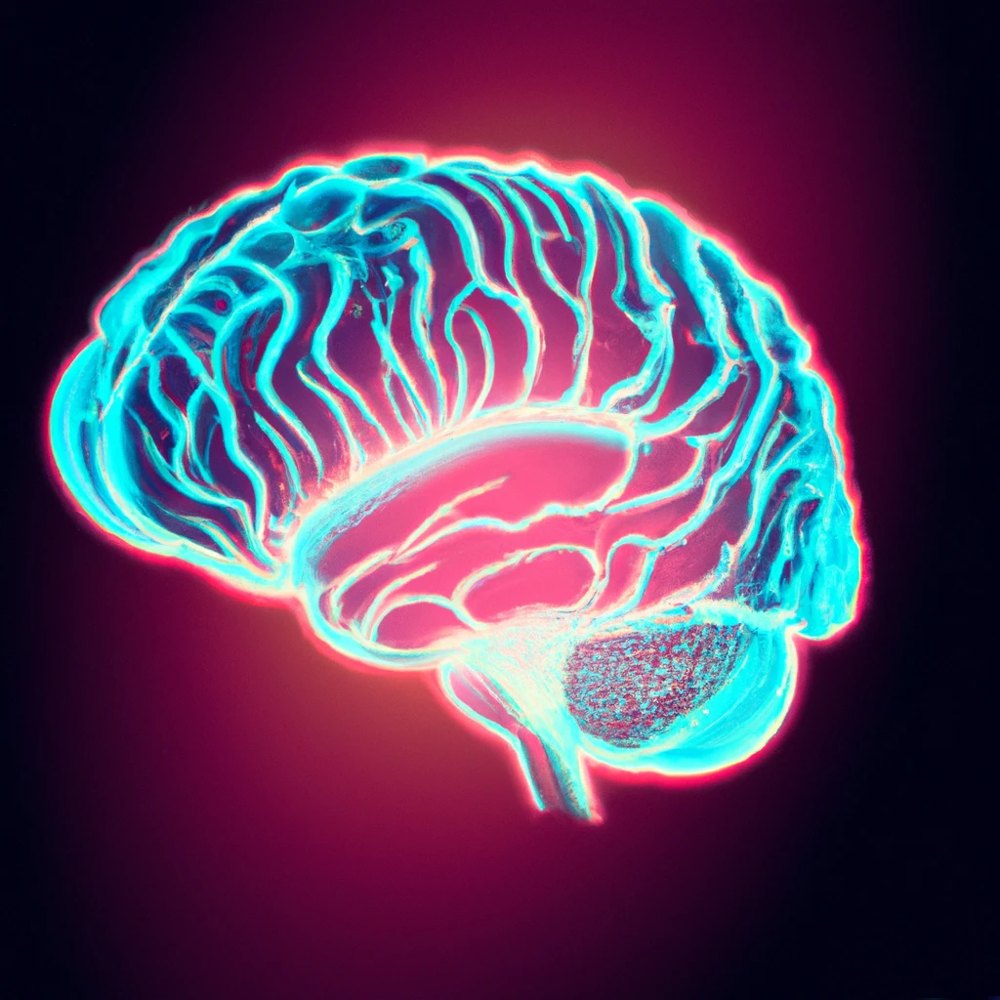
ABOUT THE BOOK
How does the brain relate to the experience of being aware?
An accessible introduction to the biological side of conscious experience. This book follows the relationship between neural activity and subjective awareness, moving from the basic organization of the nervous system to the tools used to investigate the conscious brain.
Rather than treating consciousness as a single location in the brain, the discussion considers interacting neural processes, competing theoretical frameworks, and the difficulty of connecting objective measurements with first-person experience. Its closing emphasis is on collaboration across neuroscience, psychology, and philosophy.
VIDEO TRAILER
Explore the Neuroscience of Consciousness
Watch the 60-second trailer exploring neural networks, the science of awareness, and questions that remain unanswered.
THE CENTRAL IDEAS
What you will explore
- Neural activity and subjective experience
- Brain imaging and its limitations
- Integrated Information Theory and Global Workspace Theory
- First-person and third-person approaches
INSIDE THE BOOK
A chapter-by-chapter guide
Chapter titles follow the supplied edition; descriptions summarize their subjects.
Introduction
Introduces consciousness, its historical background, and contemporary theoretical approaches.
Neuroscience Fundamentals
Explains neurons, synapses, brain structures, neurotransmitters, and the networks involved in cognition.
Brain Mapping Techniques
Introduces methods such as EEG, fMRI, and PET, and considers what each can reveal about brain activity.
Neural Correlates of Consciousness (NCC)
Examines the neural processes associated with conscious experience and the challenge of interpreting correlations.
Altered States of Consciousness
Considers sleep, meditation, and other changes in awareness as windows into brain function.
Advancements in Consciousness Research
Explores developments in technology, analysis, and theoretical models.
Challenges and Future Directions
Addresses unresolved questions, methodological limits, ethical issues, and interdisciplinary research.
Conclusion
Brings together the biological and experiential perspectives and calls for further investigation.
READING THIS VOLUME
Who it is for
Curious general readers and students seeking a starting point in the science of awareness.
Read this volume as an educational and philosophical exploration. Distinguish observations, interpretations, and hypotheses as you follow the discussion.
PAUSE & REFLECT